

Italian oxford shoes for art gallery owners work best when they stay quiet: a whole-cut or plain cap-toe oxford in black or deep brown calf-skin leather. It sits well under gallery lighting, holds up on long floors, and never competes with the work on the walls. This guide covers how to choose the pair, fit it, and keep it sharp through the 2026 season.
- Italian oxford shoes for art gallery owners should be understated: whole-cut or plain cap-toe, black or dark brown calf-skin.
- Skip loud exotic skins and high-shine patent on opening days; the shoes should frame the art, not compete with it.
- Fit for standing and walking hard floors, and rotate pairs so each rests between wears.
- Mens Italian Shoes carries whole-cut, cap-toe, suede and exotic-skin oxfords from several Italian makers.
Why oxfords suit a gallery owner
A gallery owner is part host, part salesperson, part curator. You greet collectors, walk clients across polished concrete or hardwood, and stand through openings. The shoe has to look composed in all of those moments.
The oxford does this better than most styles. Its closed lacing gives a clean, narrow line that reads as intentional beside a tailored jacket or an open-collar shirt. A whole-cut oxford, cut from a single piece of leather with minimal seams, goes further: nothing interrupts the surface, so the eye moves past the shoe and back to the room.
Galleries also tend to be controlled visual spaces. White walls, directional light and a restrained palette mean a shoe with heavy stitching, bright color or loud hardware gets noticed for the wrong reason. Restraint is the point.
The verdict, plainly: a black or dark brown whole-cut calf-skin oxford is the default gallery shoe, and Mens Italian Shoes stocks several in that category.
How to choose Italian oxford shoes for a gallery
The steps below move from silhouette to upkeep. Each one starts with the free, manual decision before any purchase.
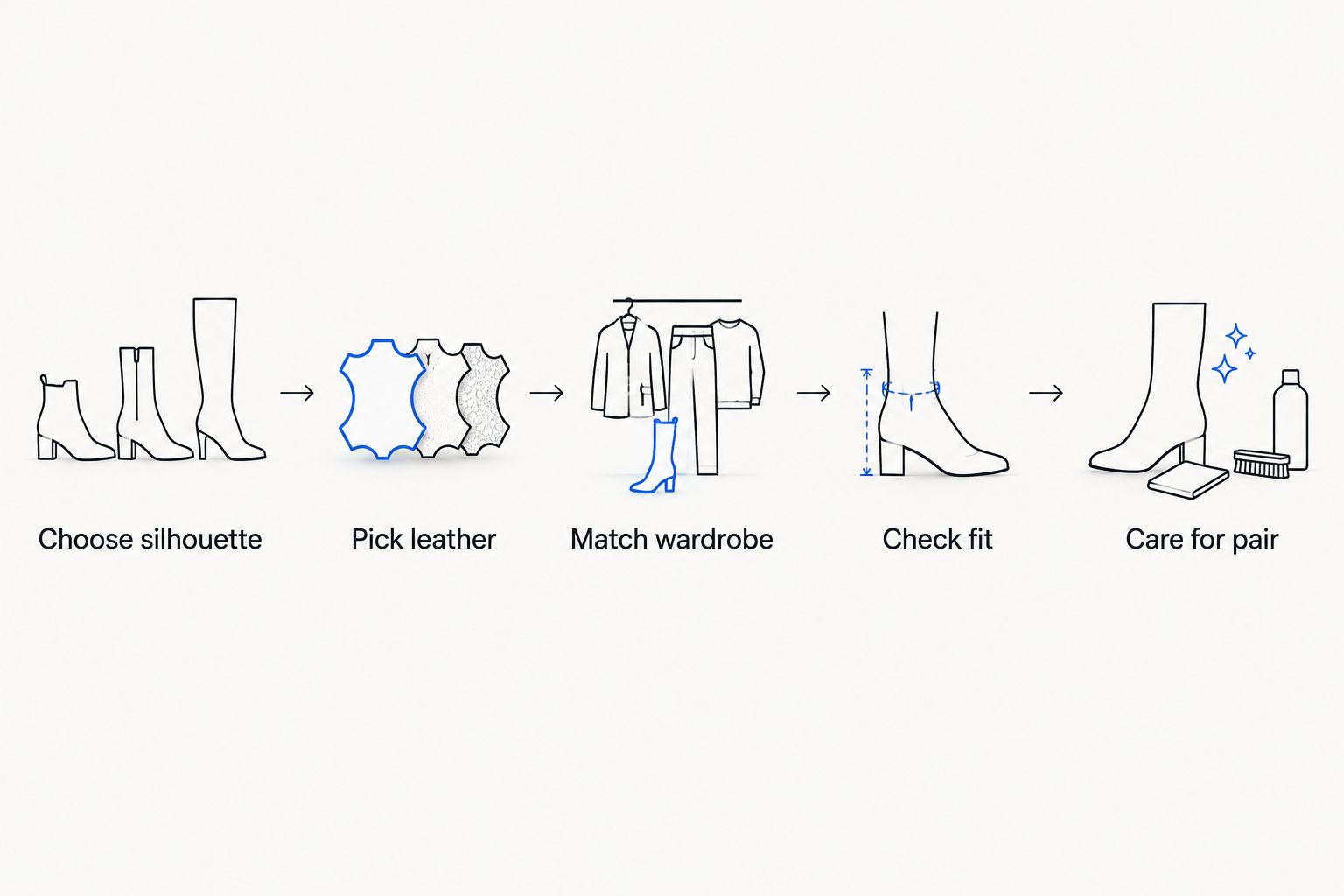
Choose the silhouette
Start with how much visible detail you want. The gallery context favors the plainest options.
- Whole-cut oxford: one continuous upper, the cleanest line available.
- Plain cap-toe oxford: a single stitched toe cap, the traditional business-formal shape.
- Brogue or wing-tip oxford: more texture and perforation; better for a daytime visit than an evening opening.
- Rounded versus elongated toe: a slightly elongated last looks sharper with slim trousers, while a rounder toe reads softer and suits longer days on your feet.
- Sleek sole profile: a thin leather sole looks elegant; confirm what the specific pair uses before you assume.
If you want a broader view of what is available, the cap-toe and whole-cut categories are a sensible place to compare.
Pick the leather
Calf-skin is the safe base. It takes polish evenly, holds a crisp shape, and looks formal without announcing itself.
- Smooth calf-skin: the all-purpose choice for daily gallery hours.
- Suede: softer and more relaxed; a good fit for a creative setting, but it asks more of you in wet weather.
- Patent leather: a high-gloss finish that belongs to black-tie evenings, not a Tuesday viewing.
- Alligator and crocodile: a statement. Reserve them for collector dinners or private views where you want a quiet signal of taste.
- Matte over shiny: under spotlights, a heavily glossy finish can throw reflections that distract.
Treat the material description on each product page as the source of truth. Product listings state the leather type, and that is what you should buy against.
Match your wardrobe
Most gallery owners dress in a limited, deliberate palette: charcoal, navy, black, olive, off-white. Black oxfords sit comfortably with all of it. Dark brown works better with navy, olive and warm neutrals, and softens an otherwise severe look.
Match your belt to the shoe, a small detail that collectors with a trained eye do notice. If socks are part of your signature, keep them in the trouser color or a quiet tone so the line from hem to shoe stays unbroken.


The first three are calf-skin whole-cut oxfords from different makers; the fourth is a suede classic oxford for a more relaxed look. Check each product page for current sizing and availability before you decide.
Check the fit
A gallery day is long and mostly vertical. You stand through conversations, walk the floor, and carry and hang work. A shoe that pinches by midday shows in how you hold yourself.
- Try shoes in the afternoon, when feet are at their largest.
- Leave room at the toe without letting the heel slip; a loose heel is the first sign of a poor fit in a closed-lacing shoe.
- Measure both feet. Most people have one slightly larger.
- Lace the pair properly so the throat closes evenly; the guide to lacing oxford dress shoes covers the method.
- Expect leather to need a short break-in period, and wear new pairs on a quiet day first, not at an opening.
Width matters as much as length. If you are between sizes or have a wider foot, say so when you shop, and weigh the width options for that specific model.
Care for the pair
Polished leather scuffs on gallery floors, plinths and transport crates. Basic care keeps oxfords looking intentional for years.
- Insert cedar or wooden shoe trees after every wear to hold shape and absorb moisture.
- Rotate at least two pairs, so each gets a full day of rest between wears.
- Wipe dust off before it settles into the grain, then condition the leather on a regular schedule.
- Re-polish toe caps and heels before a major opening.
- Store suede and exotic skins away from direct light and heat.
A scuffed shoe at an opening says more than you want it to. Five minutes of care the night before is cheaper than a replacement.
Why this segment buys differently
Gallery owners are not dressing for a boardroom or a stage. The job is to look credible to collectors and artists at once, which means refined but not corporate. A shoe that signals craft without signaling status tends to win.
That is also why quality of materials and finishing matter more than a logo. Collectors who buy art for the surface, the line and the hand of the maker notice the same qualities in a shoe: clean stitching, even polish, a sole that is not worn through.
Mens Italian Shoes sells Italian men's footwear in several oxford styles across leather types, so you can compare makers and materials in one place rather than guessing from a single catalog.
Comparison: oxford options for a gallery owner
| Option | Best for | Key limitation |
|---|---|---|
| Whole-cut calf-skin oxford | Daily gallery hours and openings | Fewer details; a plain look may feel austere to some |
| Plain cap-toe oxford | Business-formal meetings with collectors | Slightly more traditional than a whole-cut |
| Suede oxford | Creative, relaxed daytime wear | Less forgiving in rain and on scuff-prone floors |
| Patent oxford | Black-tie dinners and galas | Too glossy for everyday use |
| Exotic-skin oxford (alligator, crocodile) | Private views and collector dinners | Draws attention; needs careful storage |
If you want one pair to cover most days, buy the whole-cut calf-skin option. If you plan two, add a suede or a cap-toe in dark brown.
Common mistakes gallery owners make
- Choosing a statement shoe for every day. An alligator oxford is a strong piece, but worn daily it loses its effect and wears faster. Save it for occasions.
- Ignoring the floor. Hard stone and polished concrete are unforgiving. A shoe that feels fine for an hour can be punishing for six.
- Wearing one pair on repeat. Leather needs rest. A single pair worn five days in a row creases deeply and breaks down early.
- Mismatching belt and shoe. Brown belt with black oxfords is the most common slip, and the easiest to fix.
- Buying for the photo, not the day. A shoe that looks great at the opening still has to work for the load-in the week before.
Building a two-pair rotation for 2026
A simple rotation gets you through a full exhibition calendar in 2026 without the wardrobe getting complicated.
- Pair one: black whole-cut calf-skin oxford for openings, collector meetings and evenings.
- Pair two: dark brown cap-toe or suede oxford for daytime visits and studio trips.
That covers formal and relaxed in two pairs, and doubles the life of each by letting them rest. If you buy a third, make it the exotic-skin option for dinners, and keep it out of the daily cycle.
Standing for long stretches is the real test of any pair. The notes on Italian dress shoes for standing all day at work are worth reading before you commit to a last.
FAQ
What are the best Italian oxford shoes for art gallery owners?
A black or dark brown whole-cut calf-skin oxford is the best default. It has the cleanest line and works with nearly every gallery wardrobe.
Should a gallery owner wear black or brown oxfords?
Wear black for openings and evenings, and dark brown for daytime and with navy or olive. Two pairs cover both.
Are exotic-skin oxfords appropriate for a gallery?
Yes, for private views and collector dinners. Alligator and crocodile draw attention, so they suit occasions better than daily wear.
Are suede oxfords too casual for an art gallery?
No. Suede suits a creative setting well. It is less formal than calf-skin and needs more care in wet weather.
Is a whole-cut oxford better than a cap-toe for gallery work?
A whole-cut has a cleaner surface, which suits a minimal setting. A cap-toe is the more traditional choice for formal meetings.
How many pairs of oxfords does a gallery owner need?
Two is enough: one black and one dark brown. Rotating them lets each rest between wears and extends their life.
How should I care for Italian leather oxfords?
Use shoe trees after each wear, rotate pairs, wipe dust, and condition the leather regularly. Re-polish before major events.
One last thing
Before your next opening, look at your shoes from the angle a collector sees them: standing, mid-conversation, at the edge of a plinth. If the toe cap is dull or the heel is worn, fix that first. A well-kept black whole-cut oxford beats a more expensive pair that has been neglected. Mens Italian Shoes lists whole-cut, cap-toe, suede and exotic-skin oxfords if you are ready to add to the rotation in 2026.