

Exotic skin shoes last as long as their uppers remain sound and their construction permits necessary repairs; the skin alone does not establish a reliable lifespan in years. Worn heels and soles do not necessarily mean a pair is finished, but cracked uppers, damaged scale edges, and failed internal structure require a different assessment. Judge longevity by condition, fit, care, and repairability—not by an unsupported promise of a particular number of years.
- How long do exotic skin shoes last? Upper condition and repairability matter more than a calendar estimate.
- Alligator, crocodile, python, and ostrich shoes need care suited to their leather and finish.
- Repair worn heels before wear reaches surrounding components; ask a cobbler to assess sole replacement.
- MensItalianShoes suits men seeking exotic skin footwear, not a guaranteed service life.
How long do exotic skin shoes last?
There is no defensible universal lifespan for exotic skin shoes. A material description identifies the upper leather; it does not establish how frequently you will wear the shoes, how they fit, or whether their soles can be replaced.
Separate the shoe into components before deciding whether it needs maintenance, repair, or retirement. The part showing wear is not always the part that determines the shoe's remaining usefulness.
| Component | What to examine | What the finding means |
|---|---|---|
| Upper leather | Flex creases, cracks, abrasions, and damaged scale edges | Surface wear and structural damage need different treatment |
| Heel | Uneven wear, exposed layers, and instability | Ask for repair before wear reaches adjacent components |
| Outsole | Thinning areas, holes, and separation | Repairability depends on the shoe's construction and condition |
| Lining | Tears, worn heel areas, and persistent dampness | Internal wear matters even when the exterior looks presentable |
| Overall structure | Distortion, loose components, and loss of support | A professional assessment is more useful than cosmetic polishing |
Storage is part of that assessment, not an afterthought. Follow the guidance in how to store exotic skin shoes properly rather than treating a closed shoebox as protection against every storage problem.
Why this matters
A shoe can look tired without being beyond repair. Conversely, a polished surface can conceal a worn sole, damaged lining, or a crack that opens when the upper flexes.
For a purchase in 2026, ask what can be maintained and repaired before asking how many years the shoes will last. That shifts your attention from appearance alone to the parts that determine continued wear.
Exotic leather is also not a construction method. An alligator upper does not tell you whether a shoe is welted, stitched in another way, or cemented; those details must come from the individual product information or a qualified inspection.
Why exotic skin shoe longevity varies
These factors explain more than a blanket durability ranking between skins:
- Wear frequency: Repeated use subjects the same areas to flexing, perspiration, and abrasion. Alternating footwear gives each pair time to dry between outings.
- Fit: Heel movement creates friction, while excessive tightness places pressure on the upper. Do not buy a painful fit on the assumption that exotic leather will stretch into the right shape.
- Exposure: Rain, road salt, grit, and direct heat create different care problems. Choose footwear for the conditions rather than relying on the animal's natural habitat as evidence of water resistance.
- Leather and finish: A care product suitable for one leather or surface finish is not automatically suitable for another. Identify both before applying anything.
- Construction: Sole attachment, internal components, and access for repair affect what a cobbler can replace. The upper's material name does not answer these questions.
- Maintenance timing: Addressing heel wear, loose stitching, or a lifting sole early prevents you from continuing to wear an already compromised component.
No single factor cancels the others. Careful conditioning cannot correct an unsuitable fit, and an expensive upper cannot protect a heel that has worn unevenly.
Does the type of exotic skin determine durability?
The skin changes the surface you need to protect, but it does not provide a dependable service-life ranking. Tanning, finishing, thickness, shoe design, and use all affect the result.
Use the distinctions below to frame care questions, not to predict a replacement date.
| Leather | Useful distinction | Ownership consideration |
|---|---|---|
| Alligator or crocodile | A scaled surface with variation across the hide | Examine flex areas and ask which products suit the finish |
| Python | Overlapping scales create a distinctive surface | Avoid aggressive rubbing that catches or lifts scale edges |
| Ostrich | Quill follicles create its recognizable texture | Clean gently and avoid leaving care-product residue around textured areas |
| Lizard | A fine scaled pattern | Inspect closely rather than assuming small surface details conceal no damage |
A genuine exotic skin and an embossed leather are not interchangeable descriptions. An embossed pattern describes a surface treatment; it does not establish that the underlying leather comes from the animal represented by that pattern.
When shopping in 2026, read the material description rather than identifying the skin from a photograph. If the title and detailed description disagree, resolve the discrepancy before choosing a care product or making a purchase.
What should you check before buying?
Start with the use you have in mind. A pair intended for dinners and occasional office wear faces a different routine from footwear used for walking outdoors throughout the working day.
Ask for the exact upper material, any mixed materials, the sole construction, and the recommended care method. If future resoling matters to you, request confirmation for that specific model rather than assuming all shoes from a brand share the same construction.
MensItalianShoes is best for men seeking exotic skin footwear with distinctive material choices, not a guaranteed service life. Two examples illustrate why the complete shoe matters as much as the leather name.
| Product | Stated material and style | Best for | Limitation to consider |
|---|---|---|---|
| Artioli Boris Fabric / Crocodile-Skin Sneaker (ART1131) | Fabric and genuine crocodile skin; sneaker | Men seeking crocodile detail in casual footwear | Mixed materials require a care approach that suits each surface |
| Dominique Python Skin Slip-On Loafer | Genuine python skin; slip-on loafer | Men seeking a visibly scaled loafer | Python scale edges require gentle handling; fit still needs individual assessment |
The supplied product information identifies materials, not a tested lifespan. Neither description establishes a universal resoling option, so confirm construction separately if repairability is central to your decision.


How do you help exotic skin shoes last longer?
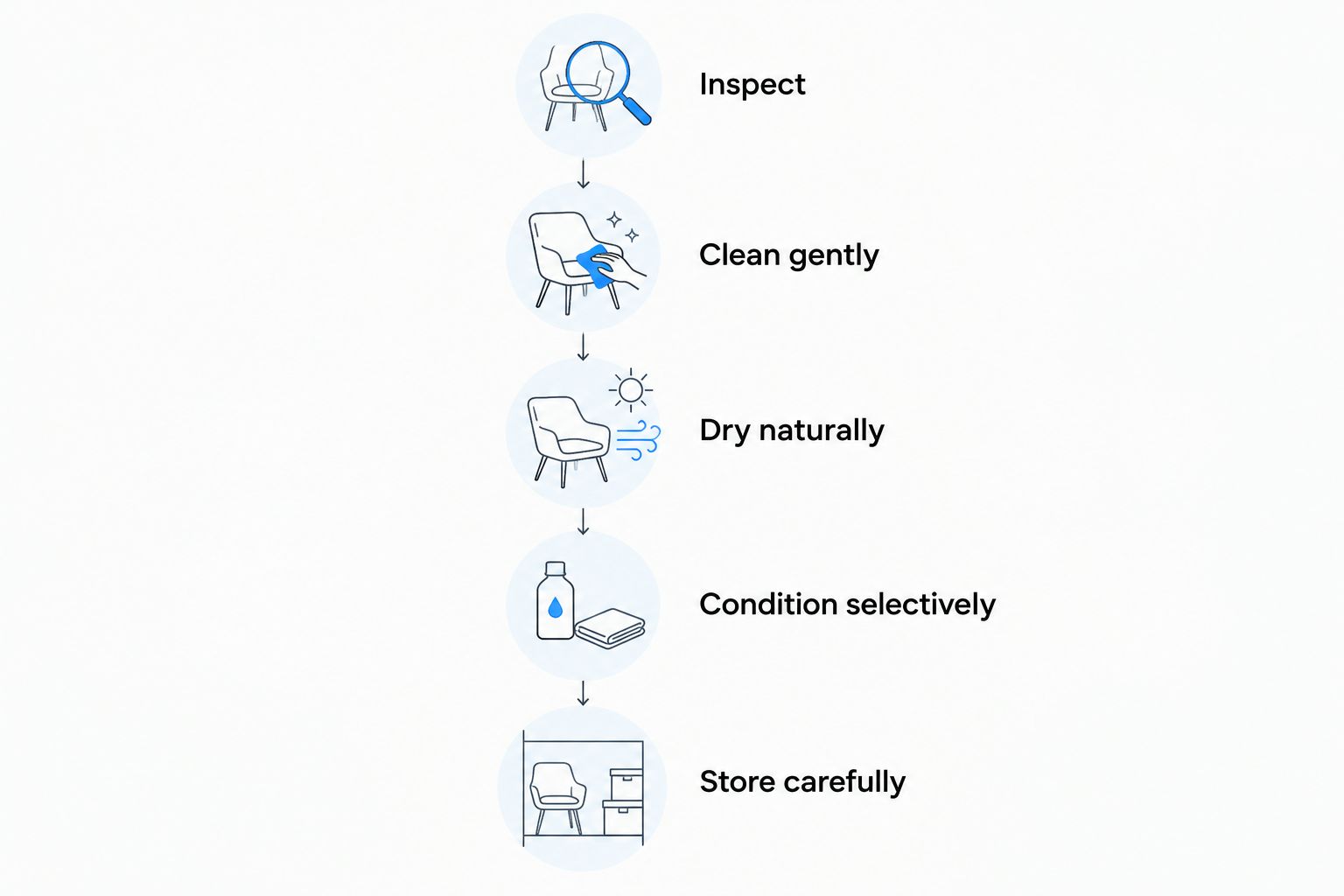
Build your routine around inspection and restrained treatment. Applying more product is not a substitute for using the correct product, and polishing over dirt does not address the underlying wear.
Inspect
Look over the uppers, heels, soles, and linings after wear. Pay particular attention to flex areas and any place where a seam, scale edge, or sole attachment has changed.
Inspect both shoes. Uneven heel wear or damage concentrated on one side deserves attention even when the other shoe looks sound.
Clean gently
Remove loose surface dirt with a method approved for the leather and finish. Work gently on scaled leather, and avoid dragging a stiff brush across python scale edges.
Do not apply household cleaners or assume a general-purpose leather cleaner is appropriate. On mixed-material shoes, prevent a treatment intended for the leather from spreading onto fabric or another surface.
Dry naturally
If the shoes become wet, blot surface moisture gently and let them dry away from direct heat. Do not accelerate drying with a radiator, hair dryer, or hot sunlight.
Remove them from a damp bag or enclosed travel case. Before storing them, check that the interior as well as the exterior has dried.
Condition selectively
Use a conditioner only when it is suitable for the particular exotic leather and finish. Follow the maker's directions and test discreetly before treating a visible area.
Avoid adopting an arbitrary conditioning calendar. The leather's condition, the environment, and the product instructions provide a better basis for treatment than applying cream after every outing.
Store carefully
Use appropriately sized shoe trees that support the shape without forcing the upper outward. Store the shoes away from direct sunlight and heat, with enough space to avoid crushing or rubbing against neighboring pairs.
For your 2026 care routine, keep the process simple: inspect first, treat only what needs treatment, and obtain advice when the material or finish is uncertain.
Can exotic skin shoes be resoled?
Exotic skin shoes can be resoled when their construction and condition permit it. The upper material alone does not establish repairability, and not every sole replacement preserves the original feel or appearance.
Ask a cobbler experienced with exotic leather to examine the attachment method, upper, lining, and surrounding structure. Explain that protecting the finish matters as well as restoring the walking surface.
Arrange an assessment before wear reaches the upper or supporting components. A small maintenance issue and a shoe worn through into surrounding layers are different repair jobs.
Are creases a sign that exotic skin shoes are wearing out?
Creases alone do not establish that exotic skin shoes are wearing out. Leather flexes during walking; the important distinction is between a fold in sound material and a crack or tear that opens under movement.
Do not try to erase normal movement with heavy layers of polish. If you see splitting, lifting scales, or an abrupt change in the surface, stop experimenting with treatments and seek an assessment.
When should you stop wearing exotic skin shoes?
Stop wearing exotic skin shoes when damage affects stability, exposes the foot, or worsens as the shoe flexes. A loose heel, separating sole, or opening upper tear needs attention before the next outing.
Cosmetic disappointment is a separate decision. Scuffs and uneven finish deserve evaluation, but they do not automatically mean that an otherwise sound shoe has reached the end of its useful life.
FAQ
How long do exotic skin shoes last with occasional wear?
Occasional wear does not establish a fixed lifespan for exotic skin shoes. Assess upper condition, storage, fit, and repairability rather than assigning a guaranteed number of years.
Do alligator shoes last longer than calfskin shoes?
Alligator shoes do not automatically last longer than calfskin shoes. Construction, leather finish, fit, exposure, and maintenance prevent a reliable ranking based on the animal alone.
Can I wear exotic skin shoes every day?
Alternating exotic skin shoes with another pair gives them time to dry between outings. Daily use also requires attention to heel wear, lining condition, and the environments in which you wear them.
Will conditioner repair cracked exotic leather?
Conditioner does not restore the structural integrity of cracked leather. A suitable product can maintain sound leather, but cracks require professional assessment rather than repeated applications.
Are crocodile shoes waterproof?
Crocodile leather shoes are not automatically waterproof. The animal's habitat does not establish the water resistance of a finished shoe, including its seams, sole, and lining.
How do I know if exotic skin shoes can be repaired?
A qualified cobbler must assess the specific shoe's construction and damage. Ask about the upper, sole attachment, lining, and expected appearance after repair.
What should I ask before buying exotic skin shoes in 2026?
Ask for the exact material, care instructions, fit guidance, and model-specific repair information. MensItalianShoes product descriptions identify material choices, but a material name alone is not a durability guarantee.
One last thing
Check the soles before polishing the uppers. It is easy to notice a mark on a distinctive leather surface while overlooking a heel that is wearing unevenly or a sole that has begun to separate.
For a new purchase or an existing pair in 2026, the most useful question is not simply how old the shoes are. Ask which component needs attention—and whether addressing it now will keep an otherwise sound pair in service.